Posts

Review: Terry Pratchett: A Life in Footnotes
Image
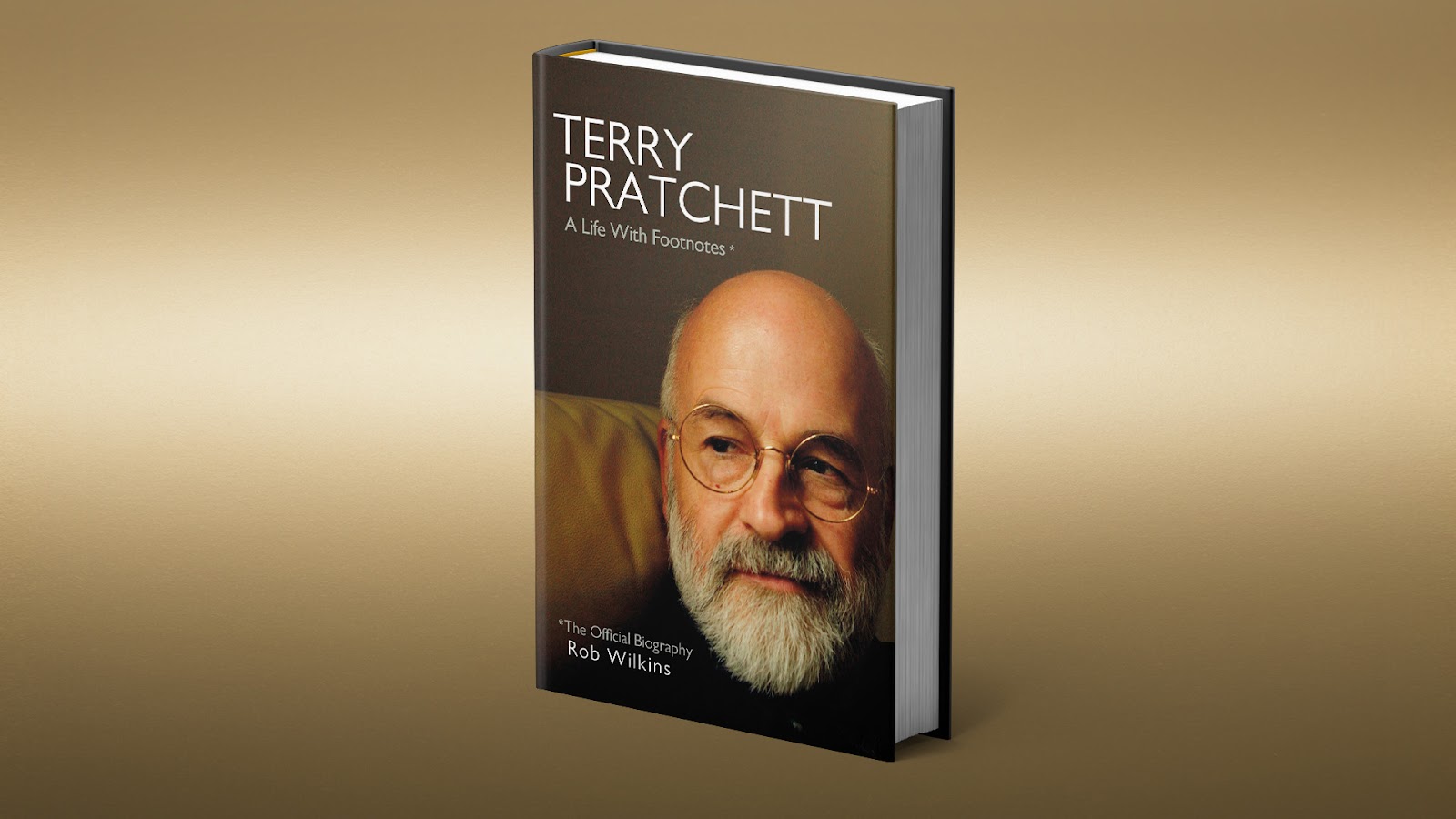
WHEN a six and a half tonne steamer rolled over a computer hard drive peppered with unfinished novels, it appeared to bring Terry Pratchett's literary canon to a conclusive end. Before he died the author left quite explicit instructions about what was to done with any works in progress and his dying wish was fulfilled some six years ago... at Dorset Steam Fair no less. But it appears that the one story that Pratchett gave permission to be passed on for posthumous polish was his own. A newly-released biography by his long-time friend and personal assistant Rob Wilkins draws on the notes for a memoir which the writer had started to pull together after being diagnosed with early onset Alzheimer's. It's nice to see the finished book strung with excerpts from that collection of recollections, not least because they offer frequent flashes of Pratchett's utterly distinctive voice. But Wilkins' introduction is honest enough to admit that what had been drawn together was rou...

Why two blokes digging up ring pulls is compulsive viewing

Image
IS "gentle comedy" another way of saying that basically a show isn't especially funny? It might raise a wry smile, rising to the occasional parp of laughter. But by the main measure of a sitcom - whether it can leave you howling for more - it is an abject failure. This might be why The Detectorists' creator Mackenzie Crook initially pushed back against the "gentle" labelling when the show debuted in 2014. Isn't it the "edgy" comedies which clean up at award shows and win armies of devotees? Except his passion project is in every aspect a massive success; so much so that, at this point, I'd suggest any headlines describing it as "a hidden treasure" are more to do with lazy sub-editors than anything else. It's a series about two middle-aged mates - Lance and Andy - who go looking for ancient artefacts. Hence "hidden treasure". Geddit? Yet the programme bagged a Bafta in its first year, was later named among Britain...

The strange good fortune of Britain's unpopulists

Image
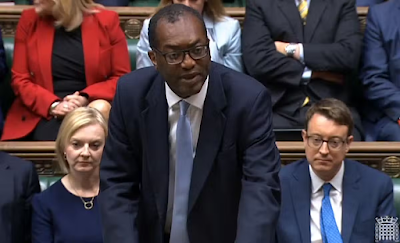
IF you want any further proof that right-wing parties play by very different rules you only have to thumb through the contents of today's "mini-budget".  Mini by name, but certainly not in ambition; the £45 billion package of tax cuts is the biggest we've seen since 1972. The major takeaway is almost all of the headline measures hugely favour big business and the highest earners. Our new PM hasn't even attempted to hide it , rather bizarrely suggesting one of the most unequal countries in Europe has previously paid too much heed to redistribution. Top rate tax - paid only by those on £150,000 or more - has, in an instant, been axed. The cap on bankers' bonuses has been similarly abolished. Mega corporations like Amazon and British American Tobacco will be asked to pay no more. We'll leave aside for a minute whether it's democratic that such a drastic vision has been given the green light by a political constituency smaller than the population of the Is...

Time we decided how national wealth should really be measured

Image
ONE in nine people are currently waiting for treatment on the NHS - that's something like 7.5 million people nationwide. Patients driven to desperation by waiting times have reportedly reached the point of trying to crowdfund private treatment. BBC investigations show others are resorting to loans in order to avoid the logjam facing our health service. With ambulance trusts nationwide having declared black alerts - meaning even heart attack sufferers could wait hours for paramedics - and concerns over an "alarming collapse" in the quality of GP services, it's hard to overstate pressures. Don't take my word for it - Rishi Sunak - the man who until weeks ago was in charge of the nation's purse strings has now said emergency action is needed. Ministers will almost certainly point to the pandemic as having poleaxed services and of course the greatest public health crisis of modern times cannot have failed to have had an impact. One may question of course whether ...

Secrets brought to the surface at Warwickshire site

Image
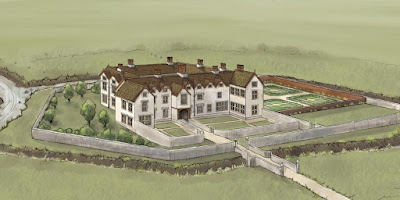
A CGI recreation of the manor/ Wessex Archaeology SOMETIMES you get the very best view at ground level, if not three or four metres beneath it... It's a summery Sunday morning and I'm stood in a muddy trench where centuries of soil have been stripped back to expose what remains of the ancient building. Hundreds of years ago the curve in the river near Coleshill had been chosen as the site for an ambitious Elizabethan estate. And generations later, after the walls had fallen in and fields had enveloped the ruins, the same spot found itself slap-bang in the centre of the HS2 rail route. This already feels like disputed turf - a crossing place between the old and new. Turn one way and you can see the imposing spire of the Medieval church, while on another horizon stand the tower blocks of not so distant North Solihull. But the looming arrival of tracks and pylons and 200mph trains means an urgent need to catalogue the site before it is swallowed by development. Surveys started wit...

A new chapter - part one

Image
WHEN I first told people last year I was leaving my job as a journalist to take a history degree and the path to a possible new career a few told me it was a "brave" decision. This worried me a tad as someone more sensitive than most to people's choice of words. There is a certain kind of courage which may be labelled "brave" in the same way that leopard print wallpaper is "interesting" and your new neighbour - an enthusiastic taxidermist - "seems nice". And as is obvious to anyone who knows me I'm very much not known as one of life's risk-takers; I'm super careful reheating rice, I steer clear of canoes and I still wear a mask* when I visit the local Tesco.  I leave gambling to other people who look better craning over roulette wheels and can at least shuffle a pack of cards. Probably the last bold move I'd made was around 15 years earlier when I decided to leave university to train as a reporter - despite all the advice that...

After the clapping came silence and cold indifference

Image
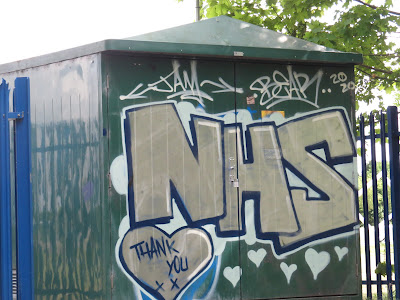
ONE of the most moving moments of the first Covid lockdown was the sight of streets turning out in force to applaud frontline workers. From Scarborough to Southampton there were scenes of enthusiastic clapping on the doorstep.  It's true that, cheering as the images were, even at the time the show of gratitude disguised a multitude of problems. As senior politicians hurried to get on the bandwagon, I had spoken to union reps concerned that their members had been left exposed by a dire shortage of PPE. There were stories of vulnerable people - who should have been shielding - who felt pressured by employers into taking risks. And I heard warnings that some workers, on zero hours contracts and unable to afford to self-isolate, were taking chances themselves. What the pandemic should have done is lead to a major reassessment of just how we treat the people doing the most important jobs. Because when HM Government hurriedly published the list of key workers - those roles deemed of the ...